
.jpg)
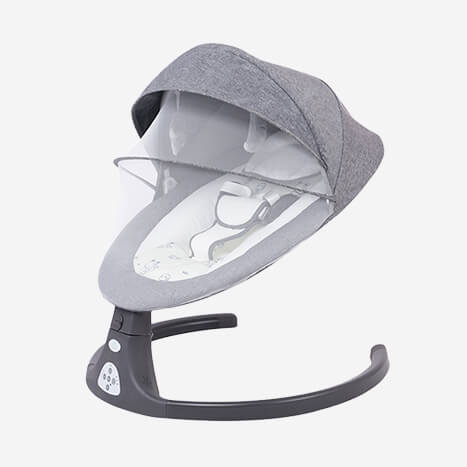
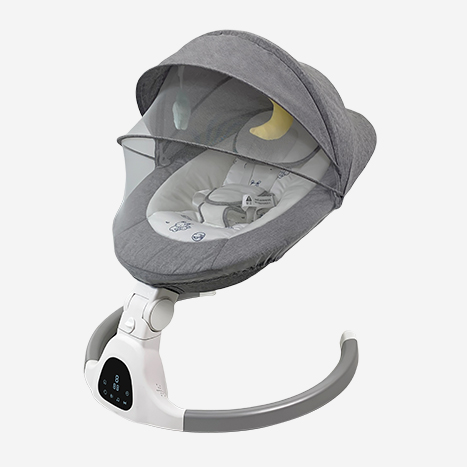
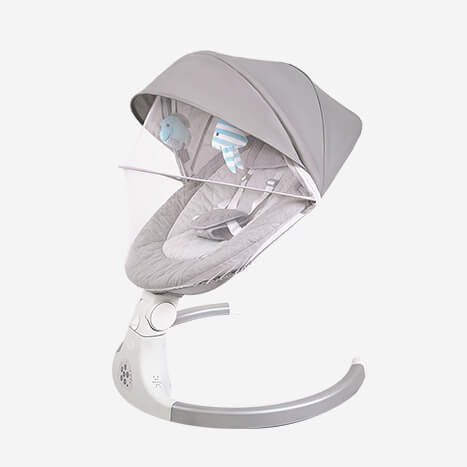
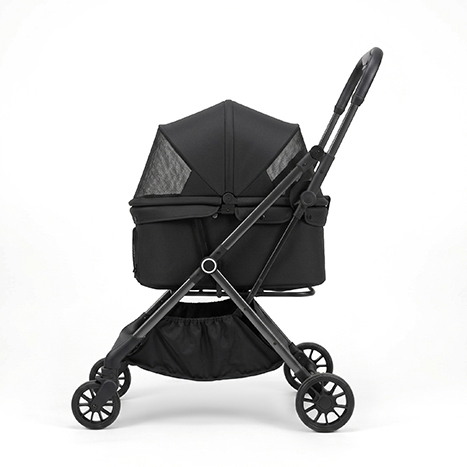
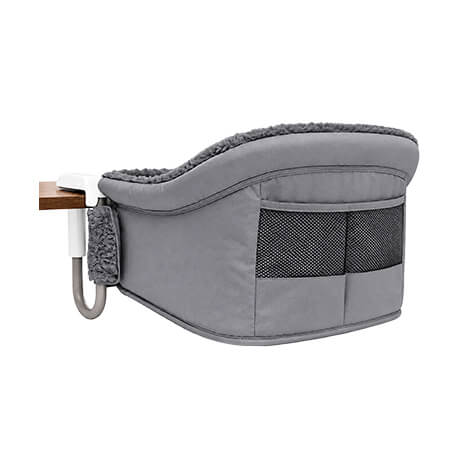
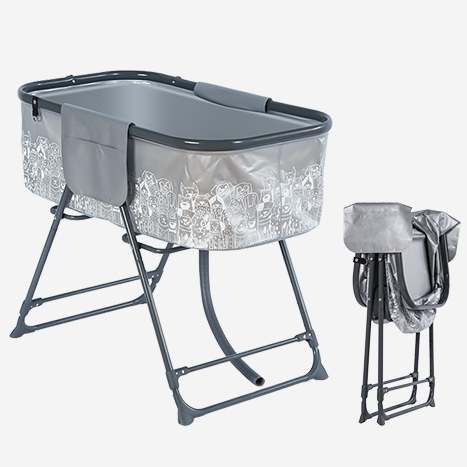
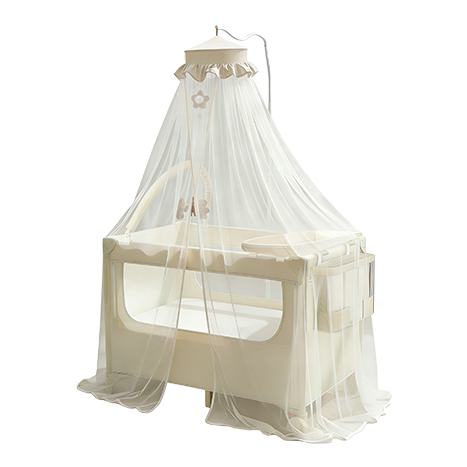
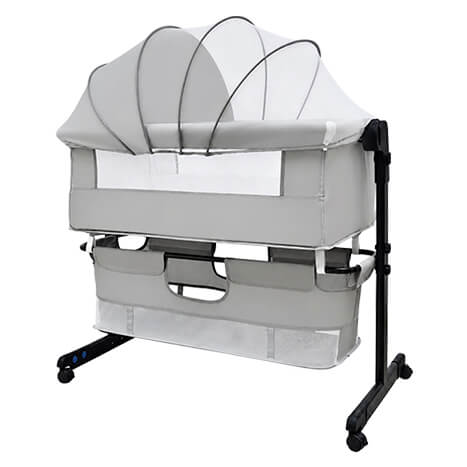
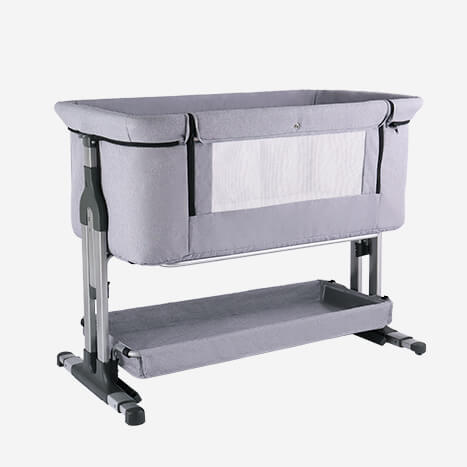
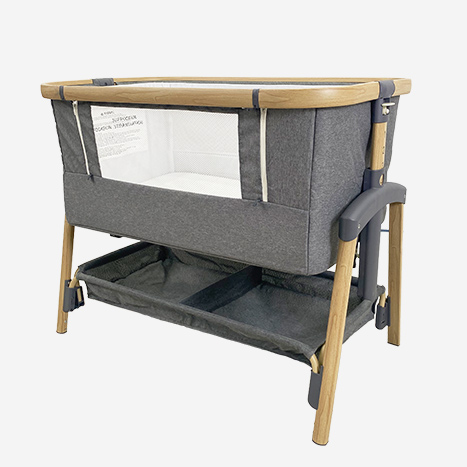
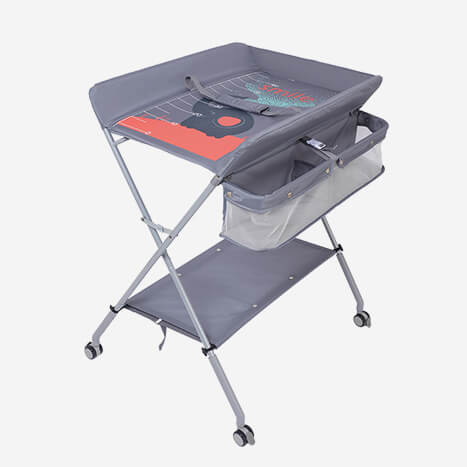


Travel playards and bedside cribs have become one of the more consistent growth categories in baby products across both Europe and the United States. Demand is driven by smaller living spaces, more frequent family travel, and a broader consumer shift toward multi-use, compact baby gear.
But this is also a category with real regulatory complexity. Sleep-related products are subject to stricter testing requirements than most other baby items, and the standards differ meaningfully between the EU and U.S. markets. For distributors and importers, that means the supplier evaluation process goes beyond pricing and lead times.
This guide reflects what professional buyers in both regions are looking for in 2026, and where sourcing decisions most often go wrong.

1. Safety Compliance Is the Starting Point
Any distributor entering this category needs to treat compliance documentation as a prerequisite, not an afterthought. Travel playards and bedside cribs are used during infant sleep, which places them in a higher regulatory category than most other juvenile products.
What competent suppliers provide as a baseline:
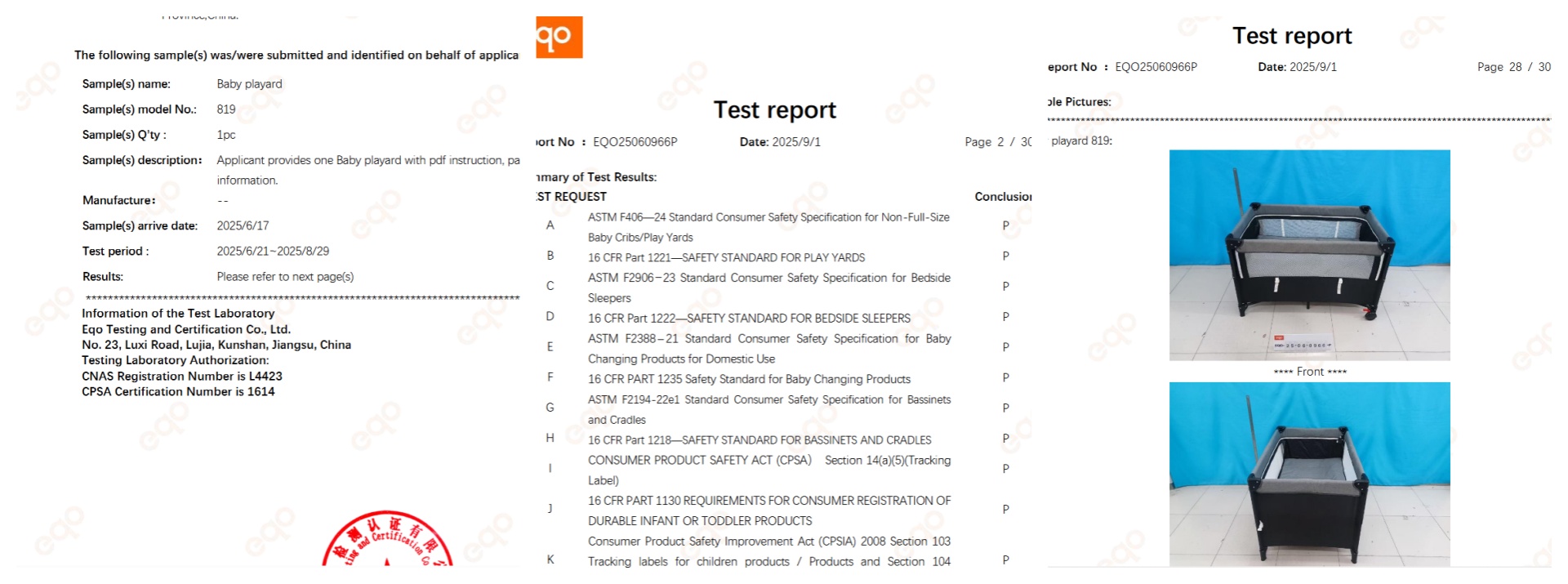
- Third-party test reports from accredited laboratories, specific to each model
- Certificates that are traceable, current, and not recycled across different product versions
- Verified mattress firmness data and dimensional tolerances
- Structural stability documentation suitable for bedside or freestanding use
A common issue: suppliers reuse certificates across updated designs. This creates liability exposure for distributors if a product is ever challenged by a retailer, regulator, or consumer. Always verify that documentation matches the exact model being sourced.
2. EU and U.S. Regulatory Requirements Are Not Interchangeable
This is probably the most underestimated risk for distributors managing cross-market portfolios. A product tested and certified for the European market generally cannot be sold in the United States without separate testing, and vice versa.
European Market
EU distributors typically need to address:
- Applicable harmonized European safety standards for the product category
- CE marking obligations and the documentation required to support them
- Multi-language instruction manuals and labeling (requirements vary by country)
- Country-level enforcement, which can differ from the broader EU framework
United States Market
U.S. distributors and importers typically focus on:
- Federal safety requirements, including applicable CPSC rules and ASTM standards
- Accurate product labeling and traceability documentation
- Mattress performance criteria, which receive close scrutiny for sleep-related products
- Liability exposure and recall prevention — a significant concern for U.S. retail buyers
The practical implication: if you are sourcing for both markets, factor in the cost of dual compliance from the start. Suppliers who have experience with both regions will be better equipped to support this.
3. Functional Design Matters More Than Aesthetics
Professional buyers evaluate products against real-world use cases, not photography. The specifications that drive purchasing decisions in this category are practical ones.
What distributors typically assess
- Folded dimensions and how the product fits in retail and consumer storage contexts
- Weight — particularly relevant for travel-positioned products
- Assembly and fold speed, ideally without tools or complicated steps
- Bedside attachment security, for products marketed in that configuration
- Mesh panel construction for airflow and visibility
Technical drawings, precise measurements, and load data are more useful to a buyer than lifestyle imagery. If a supplier cannot provide clear dimensional specifications, that is a practical problem for the import documentation process and retail presentation, independent of any safety concerns.
4. Material Safety and Mattress Quality Are High-Risk Areas
Returns and complaints in this category most commonly trace back to two issues: mattress performance and material inconsistencies across production batches.
What professional buyers examine
- Non-toxic paints, surface coatings, and finishes — with supporting documentation
- Frame material quality (metal or solid wood construction)
- Mattress firmness — firmness standards for infant sleep surfaces are strict in both markets
- Mattress fit — gaps between the mattress and frame create safety concerns and are a regulatory failure point
- Batch consistency — QC processes that prevent variation between production runs
Batch inconsistency is a particular problem with lower-cost suppliers. A mattress that passes initial testing may not match the firmness or dimensions of units produced three months later. Distributors who have experienced this once typically make incoming QC a contractual requirement going forward.
5. After-Sales Structure Affects Long-Term Partnership Viability
Distributors who have been in this category for several years evaluate after-sales capability as a core criterion, not a secondary one. A supplier who cannot handle warranty claims, spare parts, or returns systematically creates downstream problems for the distributor's retail relationships.
What structured after-sales support looks like
- Clearly defined minimum order quantities with flexibility for reorders
- Packaging designed for export — pallet efficiency, carton labeling, shipping damage reduction
- Warranty terms that align with EU and U.S. consumer protection expectations
- Spare parts availability — particularly relevant for products with mechanical components
- A defined process for handling claims, defects, and returns
Suppliers who approach after-sales reactively, dealing with issues as they arise without a defined system, are consistently harder to maintain as long-term partners. This shows up in distributor references, which is one reason experienced importers ask for them.
6. Logistics and Supply Stability
Production reliability and logistics predictability directly affect a distributor's ability to maintain retail inventory commitments. This is less about price negotiation and more about operational risk.
What buyers typically evaluate
- Production lead times — and how consistently they are met
- Shipping terms (FOB, Ex-Works) and what each implies for the buyer's responsibilities
- Shipping routes to EU and U.S. destination ports
- Carton configuration and container loading efficiency
- Experience with export documentation and customs requirements
Suppliers with limited export experience often underestimate documentation requirements, particularly for U.S. customs. Errors in origin labeling, HS codes, or testing documentation can delay shipments significantly — a cost that falls on the distributor.
7. Market Validation and Product Positioning
Experienced distributors rarely commit to a new product line without some evidence of market performance. Suppliers who can provide sales data, existing distributor relationships, or clear market positioning are easier to evaluate than those offering specifications alone.
What supports a distributor's evaluation process
- Existing sales or shipment records in comparable markets
- References from current or previous distributor partners
- A clear product positioning rationale — travel use, bedside use, or dual-function
- Market trend context relevant to 2026 demand conditions
This does not mean a supplier must have an established track record in every market. It does mean they should be able to articulate where their products have performed and why, and provide references that can be verified.
How Experienced Distributors Approach Supplier Selection
The pattern among successful importers in this category is fairly consistent. They prioritize:
- Suppliers who initiate compliance documentation sharing, rather than waiting to be asked
- Products designed with specific market requirements in mind, not adapted after the fact
- Quality systems that maintain consistency across production batches, not just initial samples
- Logistics experience that reduces the administrative burden on the distributor
- A demonstrated understanding of recall and liability risk in both the EU and U.S.
The shift away from pure price-based sourcing in this category is real. After-market recalls and compliance failures have become costly enough that compliance readiness has genuine commercial value — not just as a regulatory requirement, but as a competitive differentiator among suppliers.
Looking for a Supplier for EU or U.S. Distribution?
If you are evaluating travel playards or bedside cribs for European or U.S. distribution and want to review compliance documentation, technical specifications, or production samples, we are happy to provide them.
We work directly with distributors and importers on both sides of the Atlantic and can support the documentation requirements for both markets.