
.jpg)
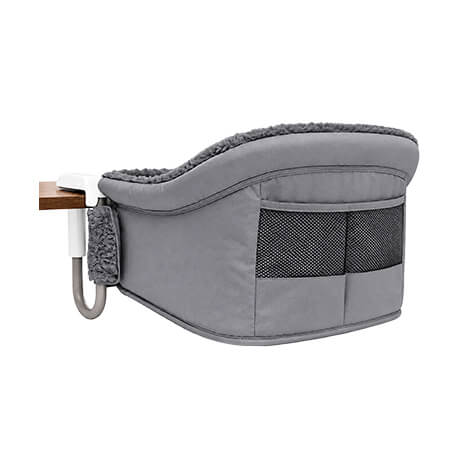
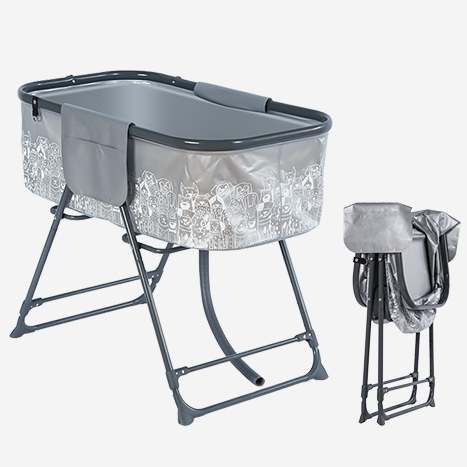
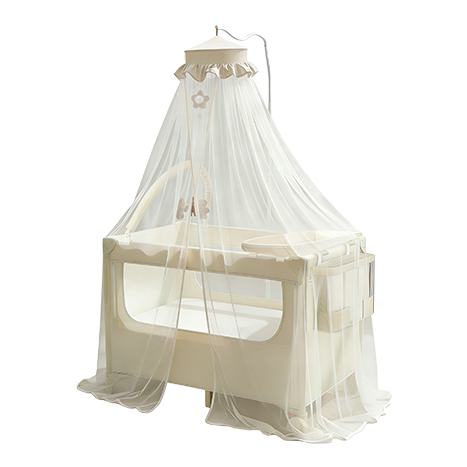
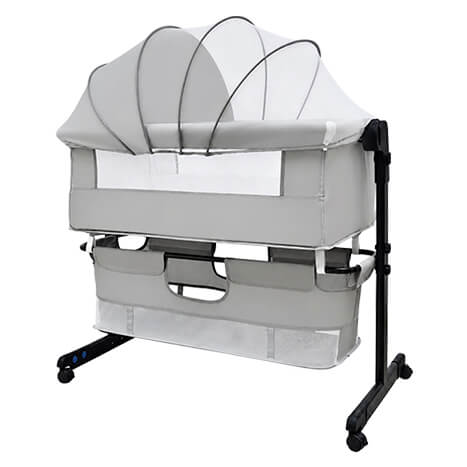


In today’s global baby products market, lightweight design and safety certification are no longer optional features. For importers, distributors, and brand owners, these two factors directly affect market access, logistics efficiency, and long-term product reliability.
This article explains why lightweight construction and internationally recognized safety standards matter—and how they should be evaluated when sourcing baby strollers for EU and US markets.
What Does “Lightweight” Really Mean in Baby Strollers?
“Lightweight” is often used as a marketing term, but in professional sourcing and product development, it has a much more precise meaning.
A truly lightweight stroller is not simply one that weighs less. It must achieve weight reduction while maintaining structural integrity, stability, and durability. Excessive weight reduction through material thinning or simplified structures often leads to safety risks, higher return rates, and compliance issues.
From an industry perspective, a well-balanced lightweight stroller typically falls around the 5 kg weight range, offering portability without compromising performance or lifespan.
Why Weight Matters Beyond Convenience?
Impact on Logistics and Distribution
For B2B buyers, stroller weight directly influences:
-
Shipping and container efficiency
-
Warehouse handling and labor cost
-
E-commerce fulfillment and last-mile delivery
Even small differences in net weight can create measurable cost variations at scale.
Impact on End-User Experience
From the end user’s perspective, a lightweight stroller improves:
-
Daily carrying and lifting
-
Public transportation use
-
Storage in compact living spaces
These factors strongly affect customer satisfaction and long-term brand perception.
Why Safety Certification Is Non-Negotiable for Global Markets?
Lightweight design must always be evaluated together with safety compliance. In regulated markets, certifications are not marketing assets—they are market entry requirements.
EN 1888-2: European Safety Standard
EN 1888-2 is the primary safety standard for baby strollers in the European market. It evaluates key performance areas such as:
-
Structural strength and durability
-
Stability under load
-
Braking effectiveness
-
Restraint system safety
Compliance demonstrates that a stroller has passed independent testing aligned with EU consumer safety expectations.
ASTM F833: U.S. Safety Specification
ASTM F833 is the recognized safety standard for baby strollers in the United States. It focuses on:
-
Mechanical integrity
-
Stability and tipping resistance
-
Locking mechanisms
-
Child protection during normal and foreseeable use
For brands entering or operating in the U.S. market, ASTM compliance is essential for risk management and retailer acceptance.
Balancing Lightweight Design with Certified Safety
Achieving both lightweight construction and international safety compliance requires design decisions made early in product development.
Manufacturers must consider:
-
Frame structure optimization
-
Material selection based on strength-to-weight ratio
-
Testing and validation throughout the development process
Lightweight strollers that successfully pass EN and ASTM testing are typically the result of engineering balance, not extreme weight reduction.
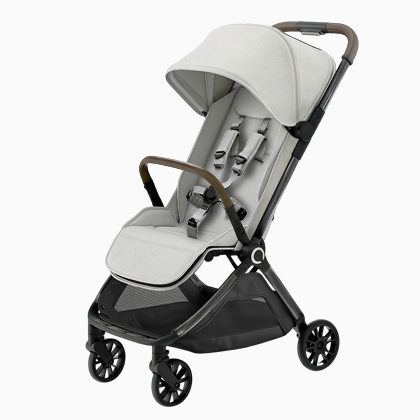
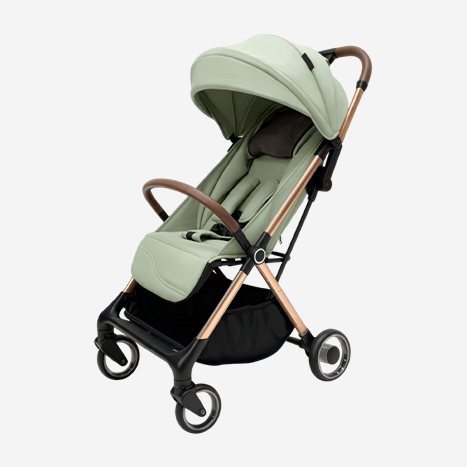
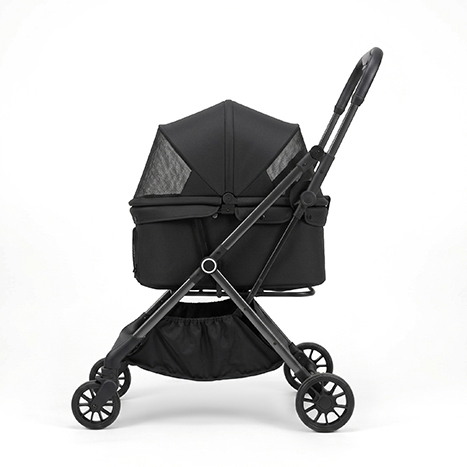
A Practical Example: Q6 Lightweight Baby Stroller
The Q6 lightweight baby stroller is designed with this balance in mind.
-
Net weight: 5.3 kg (approximately 5 kg)
-
Safety compliance: EN 1888-2 and ASTM F833
-
Market focus: EU and U.S. retail and distribution channels
Rather than prioritizing weight alone, the Q6 integrates lightweight handling with certified safety performance, making it suitable for brands and importers seeking market-ready, compliant stroller solutions.
| Lightweight stroller with international safety certification |
What Buyers Should Evaluate When Sourcing Lightweight Strollers
When selecting lightweight stroller models, professional buyers should look beyond headline specifications and evaluate:
-
Weight transparency: Is the stated weight realistic and verifiable?
-
Certification authenticity: Are test reports issued by recognized labs?
-
Design-for-compliance: Was the product developed with target market regulations in mind?
-
Manufacturing consistency: Can quality be maintained across production batches?
These factors help reduce compliance risks and support long-term market performance.
Conclusion
In modern baby stroller sourcing, lightweight design and safety certification form the foundation of a competitive, compliant product. Weight alone is not enough, and certification without thoughtful engineering offers limited value.
For global markets, the most reliable solutions are those that balance usability, structural integrity, and verified safety—creating products that meet both regulatory expectations and real-world demands.
| Certified lightweight baby stroller for EU and US markets |